The Atelier · September 2026 · 6 min read
The Slowness of Hand-Knitting
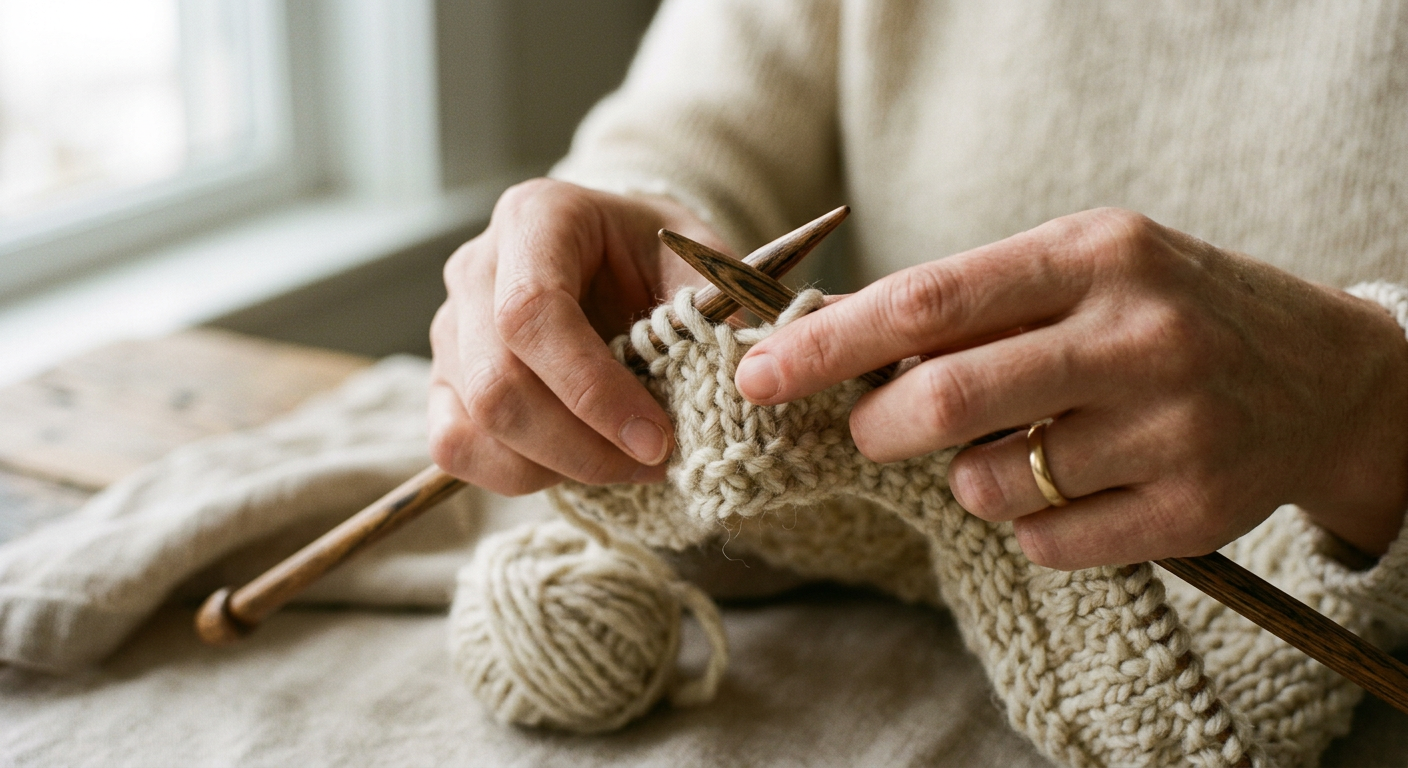
In an age of instant everything, we have chosen to work slowly. Each LIIDIA piece is knitted by hand, one stitch after another, in a quiet studio in London. There is no machine that finishes the job overnight, no factory line that turns out a thousand identical jumpers before morning. There is only the needle, the yarn, and the time it takes to bring the two together properly.
People sometimes ask why a hand-knitted baby jumper takes as long as it does. The honest answer is that a garment worn against newborn skin deserves that time. A single jumper passes through many hours of work: casting on, shaping the body, setting the sleeves, working the ribbing at the cuff and hem, finishing the neckline so it sits softly and slips easily over the head. None of it can be rushed without the piece telling on you later.
This slowness is not a limitation. It is the point. A garment made by hand carries the attention of the person who made it — the small adjustments in tension, the evenness of the stitch, the care taken where the collar meets the shoulder. Those are the details you feel rather than see, and they are the difference between something disposable and something kept.
Knitting by hand also changes what we are willing to make. We knit in small quantities because that is what the work asks of us. It means we cannot flood a season with dozens of styles, and we would not want to. It means each piece is considered before it is cast on, and each one is finished before the next is begun.
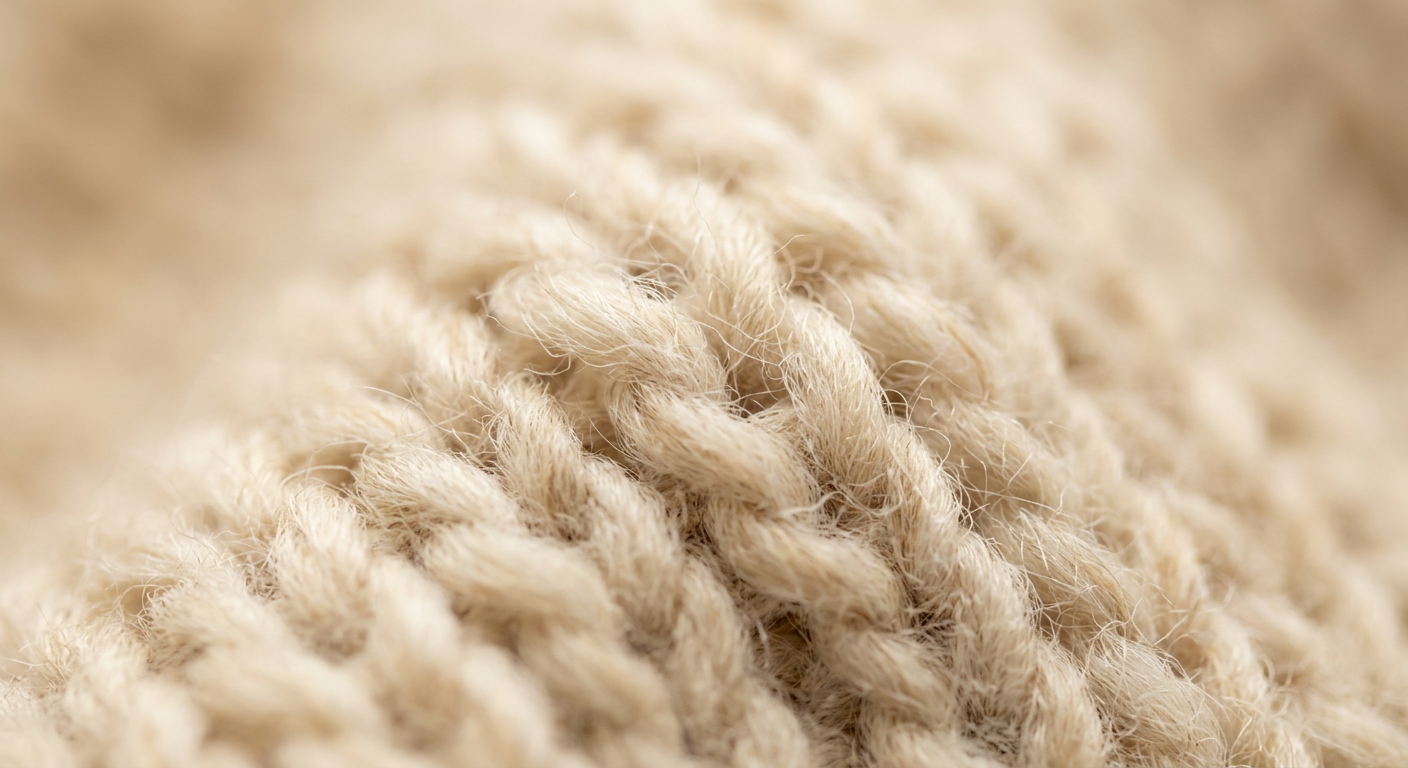
There is a particular quality to a hand-made stitch that a machine cannot quite reproduce. Look closely at a LIIDIA jumper and you will find tiny, honest variations — a stitch that sits a fraction differently, a texture that shifts subtly across the body. These are not flaws. They are the signature of a person, and the proof that the garment passed through real hands on its way to your child.
Working this way asks patience of us, and a little patience of you. Because so many of our pieces are knitted to order, we ask for time before a garment is dispatched. We think that wait is part of the value — the same slowness that makes a piece worth keeping is the slowness that made it in the first place.
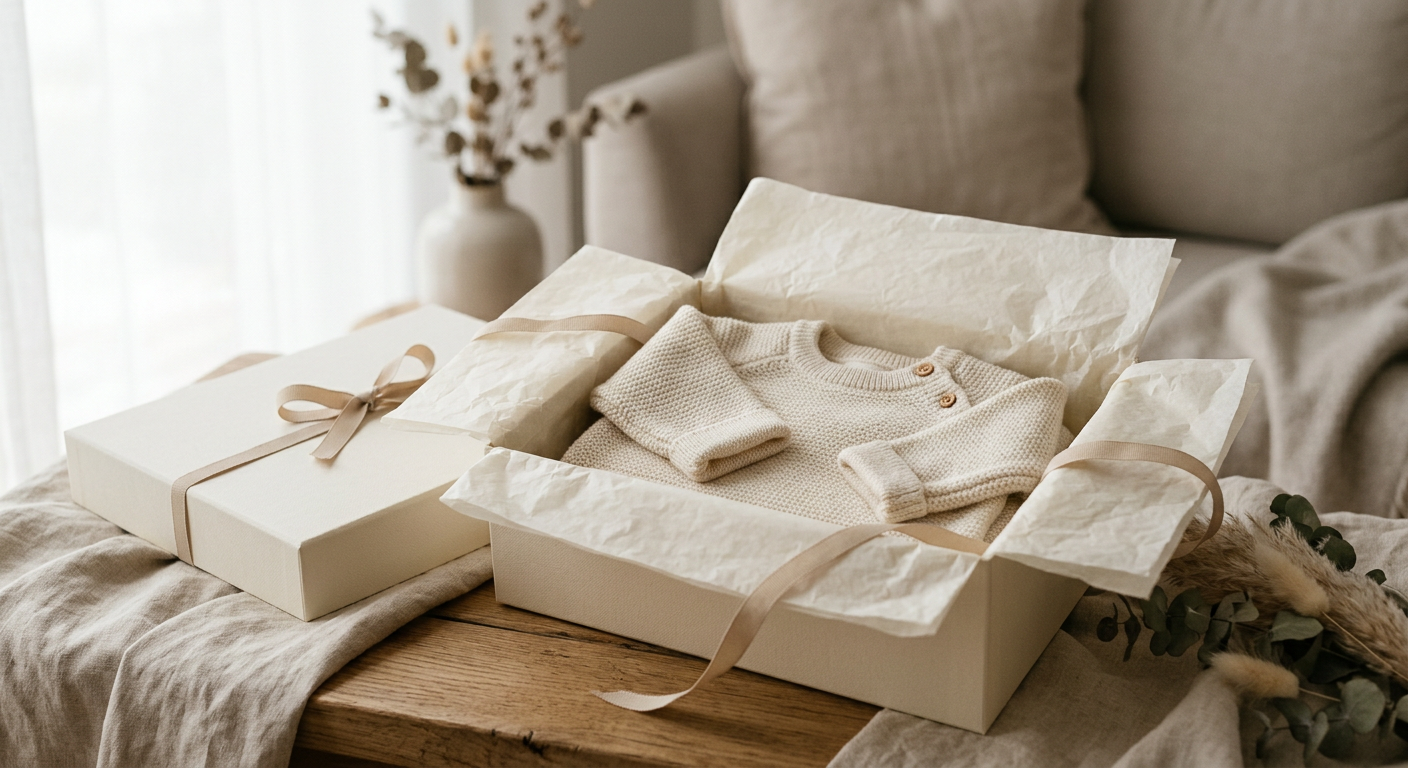
We also believe that slow-made clothing is quietly kinder. When a garment is built to last through more than one child, it is worn longer, replaced less often, and passed on rather than thrown away. A jumper that survives a first winter, a second sibling, and eventually a keepsake box has done far more than one bought in a hurry ever could.
So we will keep working slowly. We will keep knitting one stitch at a time, in small numbers, in London. We hope that the care is felt in the wearing — and that a LIIDIA piece becomes something to be kept, passed on, and remembered long after the season it was made for has ended.